The Handover Sheet: Leaving Orchids in Trusted Hands for Christmas 2026
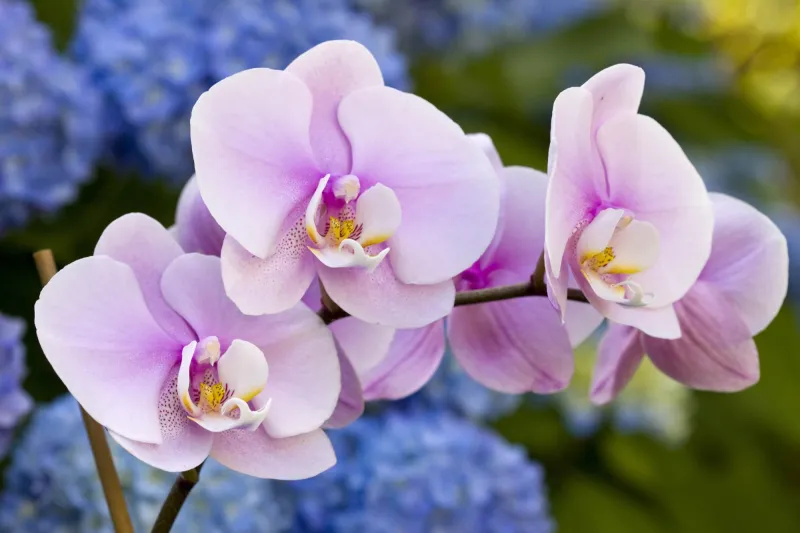
Photo: orchid care handover sheet on wooden table with notebook and phalaenopsis in British home interior, via www.withouraloha.com
Christmas 2026 will take many of us away from home for a week or more, and the orchids left behind rarely ask for much. They ask, rather, for continuity. The most useful gift you can give a housesitter is not a complicated schedule but a single sheet of paper that answers the obvious questions before they are asked. The aim is not intensive care. It is a quiet handover, so that the collection returns to ordinary life in January 2027 without drama.
Begin with the ordinary, not the exceptional
Before any instruction is written, take an hour to look at the plants as they are. Group them by need rather than by room: the phalaenopsis on the kitchen windowsill, the cooler-growing orchids in a spare bedroom, the one specimen that has taken years to settle. Resist the temptation to repot, feed heavily or move everything to a brighter position in the days before departure. Orchids dislike last-minute changes more than they dislike a week of ordinary neglect.
A house sitter should inherit a settled collection, not a project. If a plant is already in bud, leave it where it is. If a plant is in active growth, keep its routine unchanged. The handover sheet should describe what is normal for these plants in your home, because normal is what the sitter can safely preserve.
A label that answers the question before it is asked
Small plant labels are invaluable, particularly when several orchids share a room. Each label need not be botanical. It should carry the name by which the household knows the plant, the room it belongs in, and one clear instruction: water on a named day only if the compost feels dry, for example, or do not move from this windowsill.
Coloured dots can be useful for larger collections. A green dot might mean no watering is required during the absence; an amber dot might mean one modest drink if the compost has dried. Avoid codes that require reference to a separate key. The label should be legible at a glance, in plain English, and written in pencil or waterproof ink. A sitter who has never grown an orchid should not have to interpret jargon.
Watering: set a limit, not a routine
The greatest risk during a Christmas absence is not drought but kindness. Most orchids in a British home can manage a week without water, particularly in the cooler, darker days of December. Water them as usual on the morning of departure, allowing pots to drain fully, and empty every saucer before you leave. No orchid should sit in a puddle while the house is quiet.
For a longer absence, provide a measured allowance rather than an open invitation. A small jug marked with the amount for each plant is more useful than a general instruction to water when needed. If the sitter is willing, ask them to water once, midway through the stay, only if the compost has dried at the surface. Bark mixtures dry more slowly than many people expect; sphagnum moss can stay damp for longer still. A note that says water lightly and drain well is safer than one that says keep moist.
In hard-water areas, leave the usual rainwater or filtered water in a labelled container if that is what the orchids normally receive. Ask the sitter not to use ice cubes, not to mist the leaves unless specifically instructed, and not to pour water into the crown of a phalaenopsis. These small prohibitions prevent most festive accidents.
Light and heat: keep the room as it was
December light is brief and low, and a house sitter may be tempted to move plants nearer a window or into a brighter room. Ask them not to. An orchid that has spent months on a particular windowsill has adjusted to that light. A sudden move to a colder porch or a hotter south-facing room can do more harm than a few dull days.
Equally, the house should not be allowed to become cold simply because no one is in it. A background temperature of around 18°C to 21°C suits many common orchids, with cooler conditions for those that prefer them. If the heating is set back during the absence, note the minimum temperature you are prepared to accept and where the thermostat is. Keep plants away from radiators, open fires, draughty letterboxes and doors that will be opened repeatedly by visiting family.
Christmas decorations deserve a mention. Garlands, cards and illuminated figures can block light or trap heat. Ask that the orchid shelf remains clear. A simple sentence on the sheet, such as please do not move the plants or cover the windowsill, is enough.
The short list of things not to do
A good handover sheet is as much about restraint as action. Ask the sitter not to fertilise, not to repot, not to prune leaves, and not to tidy the compost. Do not ask them to revive a tired orchid with extra water. Do not let them place plants near a fruit bowl, where ripening fruit can release ethylene, or wrap pots in decorative paper that hides the drainage hole. If a leaf turns yellow or a bud drops, the instruction should be simple: leave it, and mention it on return. Panic is rarely useful in January.
The one-page sheet itself
Keep the sheet to one side of A4. At the top, write the dates you are away and a contact number. Below that, list each plant by room, with its label colour, watering limit and any temperature note. Add a short line about light: keep curtains open by day, do not move pots. Then add the prohibitions in a brief bulleted list. Finish with the reassuring sentence that orchids are tolerant and that doing less is usually better than doing more.
Place the sheet where it will be seen, not filed away. A kitchen table or hall console is better than a drawer. Leave labels in the pots, saucers empty, and watering equipment clean. Before you lock the door, walk through the rooms once more and check that nothing has been left standing in water. A calm departure is the beginning of a calm return.
Orchids are not fragile in the way their flowers suggest. Given steady light, moderate warmth and a measured hand with water, they will wait out Christmas 2026 without complaint. The handover sheet is simply a way of making that steadiness visible to someone else.