Warm Rooms, Dry Air: Where Orchids Should Live When the Heating Comes On
As the clocks have turned back and the first proper cold settles over Britain, most of us reach for the thermostat before we reach for a watering can. For orchids, that shift matters. The danger in a heated home is rarely a draught of cold air; it is the slow, steady drying of the atmosphere around leaves, buds and aerial roots. A radiator that keeps a room at twenty-one degrees may also keep relative humidity closer to a desert than a cloud forest. The aim is not to recreate a greenhouse in the sitting room, but to find the stillest, brightest, least thirsty corner and to keep conditions there remarkably consistent.
Why warm air is the winter problem
Central heating does not simply warm a room. It lowers relative humidity as the air expands and as moisture is drawn towards colder surfaces. In a typical British home, a windowsill above a radiator can be warm and bright by day and sharply cool at night, while a hallway may be steady but dim. Orchids dislike rapid fluctuation more than they dislike a single imperfect reading. Phalaenopsis, the most common windowsill orchid, will tolerate ordinary room temperatures, but it resents dry air against buds and thin roots. Cattleyas and paphiopedilums have their own preferences, yet all benefit from a placement that avoids hot blasts and cold glass.
The best positions, in plain terms
The ideal is bright, filtered light; gentle air movement; and a surface that does not conduct heat or cold straight into the pot. A side table a metre or so from a south- or east-facing window is often better than the sill itself. In winter, a south-facing sill can be useful for light, but the pot should not touch the glass and the curtain should not trap it against the pane at night. A bright hallway with a window or a lamp is often underrated: temperatures are usually stable, and the plant is less likely to be blasted by a radiator. A bathroom can be excellent for humidity, provided there is daylight and the room does not become cold and dark after a shower.
A room-by-room checklist
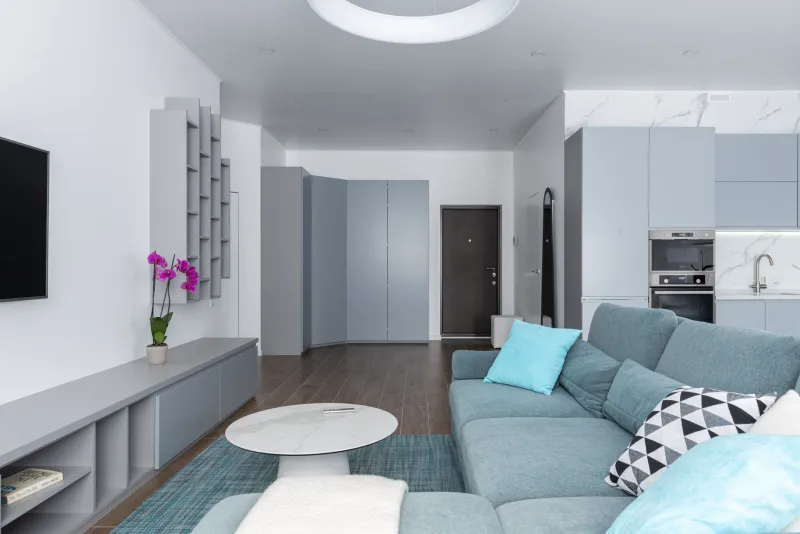
- Living room: avoid the shelf directly above a radiator, the hearth, and the top of a television. Choose a side table near a window but out of the path of a doorway draught. If the room is carpeted and warm, group orchids together to create a slightly damper microclimate.
- Kitchen: useful background humidity from cooking, but avoid the immediate steam above a hob, the fruit bowl, and the sink splash zone. Ethylene from ripening fruit can shorten flower life.
- Bathroom: good for humidity if there is natural light. Keep pots off cold windowsills and away from wet towels. A frosted-glass window is often ideal.
- Bedroom: stable and often overlooked. Avoid the radiator and the direct flow of an open window at night. A bedroom that is cool but not cold suits many orchids well.
- Hallway: excellent if bright, poor if dark and draughty. An inner lobby is better than the front door. Rotate the plant a quarter turn occasionally so growth does not lean.
- Conservatory: bright but prone to wide temperature swings. Use a minimum-maximum thermometer before trusting it with buds.
Raising humidity without gadgetry
Grouping is the simplest method: several pots on one tray share a pocket of air. A wide saucer filled with clean pebbles and a little water will lift humidity immediately around the leaves, as long as the pot sits on the pebbles and never in the water. A damp capillary mat beneath a row of pots can serve the same purpose. Misting is less reliable than it feels; it wets leaves briefly and can mark flowers. If the air is very dry, a small room humidifier run for part of the day is more effective than repeated spraying. Keep the room ventilated enough to avoid stagnant air, but do not place orchids in the path of a door or window draught.
Signs that the air is too warm and dry
Look for leaves that feel leathery rather than firm, buds that yellow and drop before opening, and new roots that stop at the surface. Aerial roots may look silvery and shrivelled, while pseudobulbs lose their plumpness. Leaf tips can turn brown and crisp, and the growing medium may dry within a day or two. These signs are not always caused by heat alone, but in November they usually point to a warm, dry room. Cold damage, by contrast, often shows as dark, soft patches and a general collapse after exposure to glass or a freezing draught.
A steady winter rhythm
Water in the morning, when any splashes on leaves can dry before evening. Check the pot by weight rather than by calendar; a dry atmosphere may make watering more frequent, while a cool hallway may make it less. Keep pots off cold windowsills at night and away from radiators at all times. A simple thermometer and hygrometer will tell you more than a dozen assumptions. The goal is not perfect numbers but a stable place where the plant can rest, hold its roots, and wait for the longer days.