The Paper Trail: Reading an Orchid’s Provenance Before You Buy
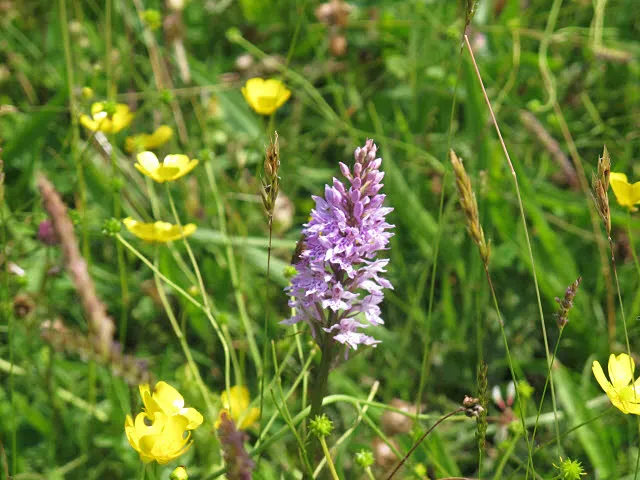
Photo: Stephen Craven , CC BY-SA 2.0, via Wikimedia Commons
The orchid bench in a British garden centre can be a persuasive place in late autumn. Colour is concentrated, labels are small and the urge to carry home a flowering plant is understandably strong. Yet the most useful question for a grower in 2026 is not simply whether the plant is beautiful, but whether its history has prepared it for the room in which it will live. Provenance, in this sense, is not a romantic footnote. It is practical horticulture.
A plant raised in a warm, humid glasshouse and moved directly to a centrally heated sitting room in November faces a considerable adjustment. A plant raised with cooler nights, stronger air movement and a British nursery’s seasonal rhythm is likely to meet the same windowsill with greater composure. The difference is rarely visible in the flower alone. It is written in the label, in the roots and in the questions a grower is willing to answer.
Provenance Is a Practical Matter
For orchids, provenance describes several things at once: where the plant was propagated, how long it has been in its current compost, what its parentage suggests about vigour and habit, and whether it has been grown for the mass market or selected by a specialist. None of these details guarantees success, but together they give the buyer a clearer idea of what the plant will need during its first winter at home.
The British windowsill is a particular environment. Light is limited from November to February, indoor air is often dry, and temperatures may fall sharply at night near the glass. A orchid that has known only a protected glasshouse may sulk; one that has been grown with a little more exposure and a cooler night range is better placed to settle. Provenance helps the buyer judge which of the two is more likely.
The Label Is a Document, Not Decoration
A good nursery label deserves to be read as carefully as a plant passport. It should identify the genus, the species or hybrid grex, and, where relevant, the clone name. Parentage may be noted, particularly in the case of a deliberate cross. The nursery’s own name and, often, the date of potting or flowering are further clues.
In Britain, grex names for orchids are registered with the Royal Horticultural Society, and a specialist grower will usually be able to explain the cross behind a plant. A handwritten label noting the parents is not a mark of amateurism; it is often a sign that the plant has been raised with attention. A blank label, by contrast, is an invitation to ask questions. The buyer should not feel awkward about doing so. A considered purchase begins with a considered enquiry.
Questions Worth Asking a Specialist Grower
A specialist nursery will expect to be asked about cultivation. The most useful questions are simple. Was the plant raised from seed or flask, or propagated by division? How long has it been in its present compost? What temperature range has it known? Has it flowered before, and at what time of year? What water has it received?
The answers help match the plant to the home. A compact hybrid with species in its background may be more tolerant of ordinary room conditions than a large-flowered plant bred for exhibition. A plant that has already flowered may be mature enough to bloom again, but it may also have spent its energy. A plant still in bud is not necessarily a poor choice, provided the roots and leaves are sound. The aim is not to find the most spectacular orchid on the bench, but the one whose constitution suits the windowsill it will occupy.
Reading Roots and Leaves
Root health is the most reliable guide on the day of purchase. Healthy orchid roots are firm, often silver-green when dry and green when watered, with pale growing tips where active. Brown, mushy or hollow roots suggest trouble, however handsome the flowers. A plant that is tightly potted is not automatically a problem, but roots circling thickly above the compost may indicate that repotting will be needed sooner rather than later.
Leaves should be firm and evenly coloured, without pleating, yellowing or soft patches. Pseudobulbs, where present, should be plump rather than shrivelled. The buyer should also look for pests: scale on stems, mealybug in leaf axils, or fine webbing beneath leaves. These are easier to decline in the nursery than to manage in the home.
British-Grown and the Glasshouse Question
British-grown orchids are not necessarily hardy, but they have usually been raised under British light and seasonal conditions. That can matter in the first winter. A specialist grower may use cooler night temperatures and careful ventilation, producing a plant with sturdier growth than one rushed through a warm production house. The distinction is not absolute, but it is useful.
Buying from a specialist also allows a conversation about the plant’s future. A good grower will say plainly whether a orchid is suited to a north-facing sill, whether it needs a cooler rest, or whether it is better kept in a brighter room. That advice is part of the purchase. It is also a reminder that provenance is not snobbery. It is simply the difference between buying a flower and acquiring a plant with a known past and a plausible future.
A Calm Purchase, Not a Rescue
Where possible, buy in person and inspect the plant at the nursery or show. If buying online, ask for photographs of the label, the roots and the whole plant rather than the flower alone. Avoid the temptation to rescue a distressed orchid unless you have the time and conditions to nurse it through. The well-grown plant is the one that settles into the room, not the one that demands a campaign.
In 2026, the British orchid buyer has good reason to be discerning. Provenance in the pot is not a luxury detail; it is the quiet assurance that the plant before you has been raised with the British home in mind. Read the label, ask the question, and choose the specimen that can meet the winter with composure.