Perfume at the Pane: Five Orchids Grown for Scent, Not Show
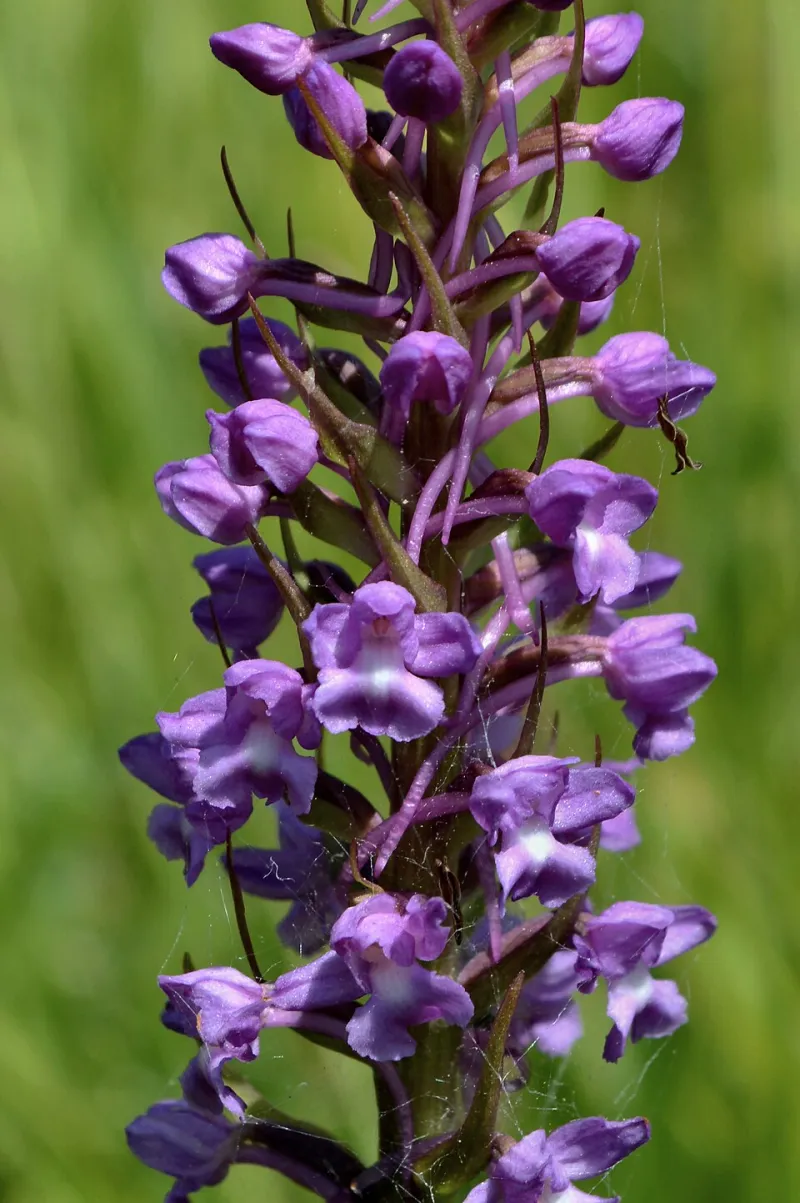
Photo: AndyScott, CC BY-SA 4.0, via Wikimedia Commons
Orchids are usually chosen with the eye. We are drawn to a clean white Phalaenopsis, a flushed pink Cymbidium, or the improbable architecture of a Paphiopedilum, and only later discover whether the plant has anything to say in scent. Yet perfume is perhaps the more intimate pleasure. It arrives without ceremony, drifting across a room when the air moves, and it asks nothing of the viewer except attention. For the British home, where windows are often closed against rain and central heating can dry the air, choosing an orchid for fragrance requires a slightly different kind of reading: less concern with show, more with timing, temperature and the ordinary rhythm of a room.
Why Scent Deserves Its Own Windowsill
Fragrance in orchids is not decorative. It is a signal, evolved to attract pollinators, and it often follows a schedule. Some orchids release scent in the morning, others at dusk; some are sweet and pervasive, others are barely perceptible unless one leans close. This variability is part of their charm, but it also means that a scented orchid cannot simply be placed wherever a flowering one might go. Light, warmth and air movement all influence how strongly a perfume carries. In a British home in late autumn and winter, when the heating is on and the windows are shut, a scented orchid can scent a whole room or, disappointingly, seem to have none at all. The difference is usually placement.
It is also worth saying that fragrance is subjective. A scent described as honeyed in a catalogue may read as soapy in a warm sitting room; a chocolate perfume may seem more vanilla than cocoa. The five orchids below are reliable not because their scent is universally loved, but because each has a distinct character and a reasonable chance of thriving on a UK windowsill when given the right conditions. They are not hothouse curiosities so much as plants that repay a measured approach.
Five Reliable Candidates for UK Rooms
Dendrobium nobile hybrids
These are among the most rewarding scented orchids for a cool, bright windowsill, flowering in late winter and early spring. The perfume is sweet and slightly powdery, strongest in the morning, and it carries well in a room that is not overheated. The essential detail is the winter rest: keep the plant cooler and water sparingly until flower buds appear, then resume a more regular regime. A north-facing room that stays bright but cool can suit them, provided the plant is not exposed to draughts. They are tolerant of ordinary tap water in many British homes, though rainwater is kinder where hardness is high.
Cymbidium hybrids
Cymbidiums are often treated as conservatory plants, and the larger varieties certainly need space. But the cooler-growing fragrant hybrids are excellent for a bright, unheated room or a glazed porch, where their honeyed, lemon-tinged perfume can drift indoors on mild days. They flower from autumn into winter, which makes them especially welcome as the year closes. Give them strong light, good drainage and a distinct drop in night temperature to encourage buds. They dislike standing in water and are best potted in a coarse bark mix that allows air around the roots.
Oncidium 'Sharry Baby'
This is the orchid most often recommended to anyone who wants scent, and for good reason. Its perfume is generous, often described as chocolate and vanilla, and it can fill a room when the plant is in full flower. It is also comparatively forgiving, tolerating the filtered light of an east or west-facing window and a normal domestic temperature. The trade-off is that the scent can become oppressive in a small, closed room, so place it where there is some air movement. Water it well in growth and reduce slightly after flowering, allowing the compost to approach dryness between waterings.
Brassavola nodosa
Known as the lady of the night, this compact orchid releases its perfume in the evening, a clean, citrus-like fragrance that is all the more surprising for the plant's modest appearance. It needs warmth, bright light and good humidity, which makes a bathroom with a window or a kitchen windowsill a sensible home. In a dry, heated room it will survive but seldom scent well. A saucer of damp pebbles nearby can lift humidity without waterlogging the roots. It is a plant for the evening sitting room, where its scent becomes part of the quiet after dinner.
Maxillaria tenuifolia
The coconut orchid is compact and intriguing, with narrow leaves and a scent that is unmistakably coconut, especially in warm sunlight. It prefers bright, filtered light and consistent humidity, and it is less forgiving of neglect than the Oncidium. A kitchen windowsill or a sheltered conservatory corner suits it well. Water regularly in summer and reduce in winter, but do not allow the pseudobulbs to shrivel. Its perfume is strongest in the middle of the day, which makes it a pleasant companion to a morning spent at home.
Placement: Where Scent Carries
A scented orchid should not be placed solely for display. Think about how air moves through the house. A plant on a hall table may be admired by every visitor but scent nothing; the same plant on a windowsill in a room where the door is opened and closed through the evening may perfume the whole space. In winter, when the heating is on, keep scented orchids away from radiators and direct draughts. A little distance from a windowpane is usually better than pressing the leaves against cold glass. In summer, open windows can dilute scent, so a position slightly back from the light often works better than full exposure.
A Note on Buying and Naming
Fragrant orchids are often sold under hybrid names, and the scent can vary between individual plants. Where possible, buy in flower and ask whether the plant is scented; a good nursery will know. Do not assume that a named hybrid will perfume every room in the same way. Spend a moment with the plant at different times of day if you can, and choose for the room you have rather than the room you imagine.
The Quiet Reward
A fragrant orchid changes a home in a subtle way. It does not demand to be looked at; it asks to be noticed. On a grey November afternoon, with the heating on and the windows closed, a single scented stem can make a room feel cared for. The five orchids above are not the only fragrant varieties available in Britain, but they are a sensible beginning: each has a distinct perfume, each can be grown with ordinary care, and each rewards the grower who thinks first about where the scent will go.