First Light After the Box: Receiving a Mail-Order Orchid with Care
Mail-order orchids arrive with a peculiar kind of hope. The box may have travelled overnight through a cold depot, been stacked beside a van door, and finally handed over on a wet November morning. The plant inside has no idea that it is now in a British home. The first hour is not about fussing; it is about slowing down, observing, and giving the orchid a gentle transition from the dark of the parcel to the light of the room.
Prepare a quiet landing place
Before opening the box, clear a table near a window but out of direct sun. Lay down newspaper or a clean cloth. Have a small tray, a notebook, and a phone or camera ready. Avoid the kitchen sink, where a well-meant rinse can do more harm than good, and resist the urge to fetch a new pot. The orchid needs a place to settle, not a renovation.
Open the parcel slowly
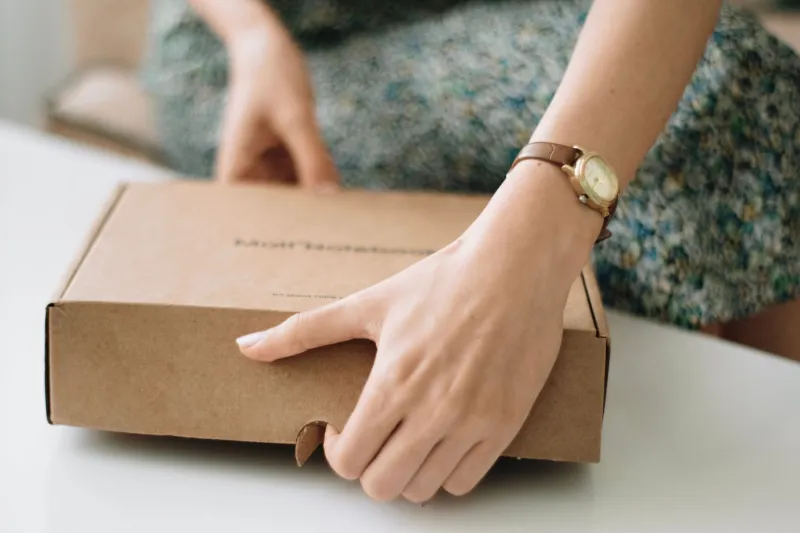
Cut the tape rather than pulling at it. Remove outer packaging and any loose filler, then lift the plant by its pot or inner sleeve, never by a flower stem. If the plant is wrapped in paper or bubble wrap, unwrap from the base upwards and let the leaves spring back gradually. A chilled plant should not be put straight on a radiator or in a hot car; move it to a cool, bright room and allow it to come to room temperature over an hour or two.
Inspect without interfering
Check leaves for firmness, colour and clear signs of pests. A few minor marks are normal after travel; black, mushy patches are not. Look at visible roots: silver-green roots are normal, firm green tips are promising, and soft brown roots should be noted but not immediately cut. If the plant is in bud, do not touch the buds or turn the stem repeatedly. Photograph the whole plant, the label, the packing, and any damage before you alter anything. Record the date, supplier, and condition. This is useful if you need to contact the seller, and it creates a calm record of the plant's arrival.
Resist the first-week instincts
Repotting is the most common mistake. A newly arrived orchid is already adapting to a new light level, temperature, and humidity; root disturbance adds another shock. Unless the pot is broken, the medium is sodden and sour, or there is active rot, wait at least a few weeks. Do not feed. Do not mist the flowers. Water only if the medium is genuinely dry, and then water sparingly at the sink, allowing it to drain fully before returning it to its place. Keep the plant away from other orchids for a week or two, not out of fear but as a simple precaution against pests.
Settle it into a stable place
Choose a spot with bright, filtered light and steady temperatures. A windowsill that is not above a radiator, or a table close to a window, is usually suitable. Keep it away from doorways, radiators, and the direct blast of a fire. If the plant arrived in flower, avoid moving it from room to room; buds are sensitive to changes in orientation and air movement. Set the pot on a saucer or tray so that any excess water can be seen and removed. A label with the arrival date is a small but useful ritual.
If it arrives chilled
A chilled orchid may look limp, glassy, or darker than expected. Do not water it immediately and do not warm it quickly. Move it to a cool room at around sixteen to eighteen degrees Celsius, away from direct sun, and let it rest. If dark, soft patches develop over the next day, photograph them and contact the supplier. Most reputable nurseries would rather know than have a customer struggle in silence.
If it arrives bruised
Bruising often shows as a flattened leaf or a creased flower. Leave minor damage alone. Remove a leaf only if it is clearly rotting, and use clean scissors. Do not peel away healthy tissue in search of a tidy finish. A bruised bud may still open; a damaged stem may still carry the flower. Patience is kinder than surgery.
If it arrives in bud
An orchid in bud is a plant in a delicate frame of mind. Keep it in the position it arrived in, or at least maintain the same orientation to the light. Avoid draughts, radiators, and the ethylene from a fruit bowl. Humidity matters, but wetting buds is not the answer. A pebble tray nearby is enough. If a bud drops, note the conditions and resist the urge to compensate with extra water.
A first fortnight of quiet observation
For two weeks, do very little. Check the pot's weight, look at the leaves, and watch for new root tips. Keep the room ventilated but not draughty. Water in the morning. Once the plant has settled, you can think about a more permanent position, a decorative pot, or a repot in spring. The arrival is not a performance; it is the beginning of a relationship. A calm first hour gives the orchid the best chance of a calm first season.