Steam, Stone and Silvered Glass: A Bathroom Sanctuary for Humidity-Loving Orchids

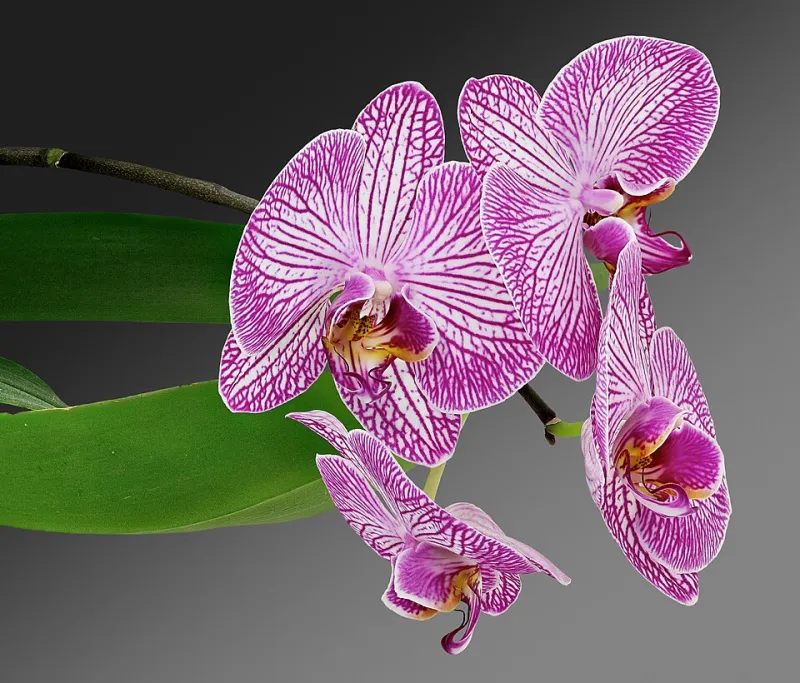
Photo: Iain Cameron, CC BY 2.0, via Wikimedia Commons
The British bathroom has undergone a quiet transformation. Once a purely utilitarian room, it is now often treated as a private retreat: a place of stone, steam and slow rituals. For orchid growers, this shift is worth noticing. A well-ventilated bathroom can provide the humid, gently warm conditions that many epiphytic orchids enjoy, and it can do so without the artificiality of a terrarium. The result, when handled with care, is not a cluttered jungle but a considered sanctuary.
Why the bathroom suits certain orchids
Orchids are not uniformly tropical in their demands. Some resent dry air; others dislike stagnant warmth. The bathroom occupies a useful middle ground. Steamy showers raise humidity, while tiles and glass reflect light and create a clean, luminous backdrop. However, the room must be understood as a microclimate rather than a guarantee. Bathrooms vary enormously in the UK: a bright, north-facing family bathroom is a different proposition from an internal shower room with no window. The former may suit humidity-loving orchids well; the latter usually requires supplementary light and careful airflow.
The most reliable candidates are those that appreciate moderate humidity and filtered light. Phalaenopsis, the moth orchid, is the obvious starting point, but it is not the only one. Paphiopedilum, the slipper orchid, enjoys humid air and bright shade, while Miltoniopsis prefers cooler, moist conditions and is less forgiving of hot, dry rooms. Each brings a different character: the poise of Phalaenopsis, the sculptural pouch of Paphiopedilum, the softly pansied face of Miltoniopsis. Together they suggest a display that is botanical rather than merely decorative.
Light, airflow and the British window
Light is the first practical consideration. In a bathroom, frosted glass, blinds and small windows can reduce illumination more than expected, especially during a British winter. Orchids that flower well need adequate light, but direct midday sun through glass can scorch leaves and overheat small rooms. An east-facing window is often kind; a north-facing one may be sufficient for Phalaenopsis but marginal for more light-hungry orchids. Where privacy glass is fitted, place plants close to the window and rotate them regularly so that growth remains even.
Airflow is equally important. Steam without ventilation encourages mould on grout, sealant and leaves. An extractor fan should be used after showers, and a small, quiet fan can help move air around a sheltered corner. Avoid crowding plants against walls or beneath towels; orchids need space for air to circulate around leaves and roots. A bathroom that remains damp for hours is not a sanctuary but a risk.
The moisture balance
Humidity-loving does not mean waterlogged. Most bathroom orchids are best grown in open, airy compost, such as bark, and watered thoroughly before being allowed to drain completely. Standing water in saucers or decorative outer pots is a common cause of root loss. If a plant is displayed in a glass vessel, ensure that it is not sitting in a reservoir of water; glass is beautiful, but it can conceal problems.
In UK homes, hard water is another consideration. Rainwater is preferable for long-term health, particularly for Paphiopedilum and Miltoniopsis. Watering should be adjusted to the season: less frequent in winter, more generous during active growth. The bathroom’s humidity may reduce the need for frequent watering, but it does not remove it. A finger inserted into the compost, or the weight of the pot, remains a more reliable guide than a fixed schedule.
Styling with glass, stone and foliage
A bathroom orchid display works best when it respects the room’s architecture. Glass, stone and foliage are natural partners: clear glass vessels catch light; slate or travertine surfaces provide weight; ferns, moss and small foliage plants soften the edges. The aim is a spa-like calm rather than a florist’s bench. Groups of three often feel more natural than symmetrical pairs, and a single well-grown specimen can be more persuasive than many small pots.
Choose containers that allow drainage and do not trap water. A clear glass cachepot can be used as a sleeve if the orchid remains in a slotted inner pot and is removed for watering. Stoneware and matte ceramic are practical alternatives. Avoid placing orchids directly against cold tiles or beneath a window that becomes very cold at night; a small slate plinth or wooden tray offers a little insulation and a defined edge.
Foliage should be used sparingly. A small Boston fern, a clump of moss or a trailing plant can echo the orchid’s exoticism without competing with it. Scented candles and oils are best avoided near plants, as strong fumes can be harmful. The most refined bathrooms rely on the natural fragrance of the orchid and the clean scent of soap.
A calm, workable ritual
The bathroom orchid is not a hands-off ornament. It is a living thing that asks for light, air and attention. A weekly check after cleaning the room, a monthly wipe of leaves, and a seasonal review of light levels will keep a display healthy. During winter, move plants away from cold panes and reduce watering; during summer, shade from harsh sun and increase airflow.
When these details are observed, the bathroom becomes one of the most rewarding places in the house for orchids. Steam softens the air, tile reflects the light, and the plants bring a quiet, living elegance to a room devoted to refreshment. It is a sanctuary in the truest sense: not a display to be admired from a distance, but a small, breathing landscape within the routines of the day.