Still Air, Bright Glass: A Wardian Case for the Orchid Windowsill

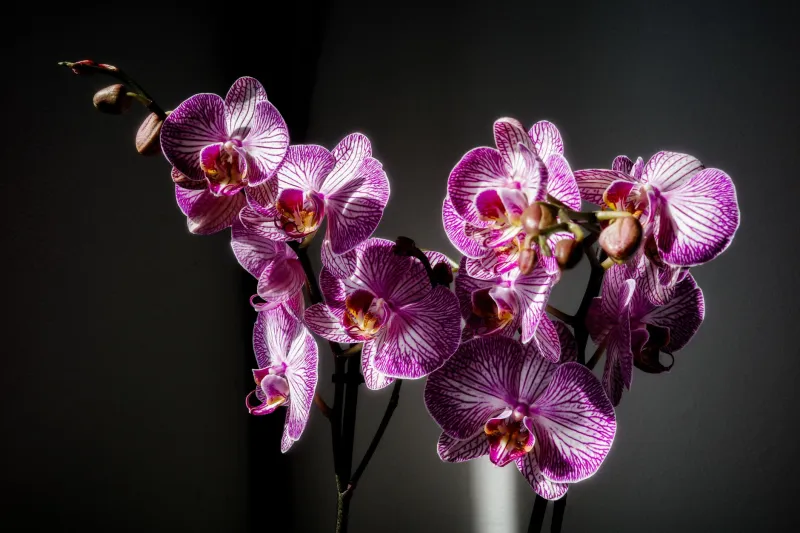
Photo: Victorian Wardian case glass terrarium orchids on windowsill interior, via thegraphicsfairy.com
The Victorian Idea, Reconsidered
The Wardian case began as an instrument of transport. In the 1830s, Nathaniel Bagshaw Ward enclosed living plants in glass so that they might survive long sea journeys, and the principle behind that success remains useful today: a closed or semi-closed glass vessel holds moisture, tempers draughts and creates a small, stable climate. In a British home where radiators run through winter and windows are sealed against the cold, that pocket of humid air can be quietly transformative for orchids that resent dry indoor conditions.
The modern case, however, should not be treated as a sealed specimen jar. It is a climate in miniature, and like any climate it requires exchange. The aim is not to imprison an orchid in stagnant air but to give it a steadier humidity, a softer light and a buffer against the drying effects of central heating.
Choosing the Vessel
A small Wardian case, a glass cloche or a tabletop terrarium can all serve, though the case with a hinged door or removable lid is easier to manage. Look for clear glass with a sound frame; brass and well-sealed wood are traditional, while powder-coated metal may suit a more contemporary room. Antique cases can be beautiful, but check for damaged glazing, corroded fittings and old paint before bringing one indoors.
Proportion matters. The case should be tall enough to accommodate a flower spike without bending it, and deep enough for a shallow tray of gravel or a mounted specimen. A base of slate, zinc or glazed ceramic is practical; it should hold a little water without rusting or staining the sill. Adjustable ventilation is a virtue, whether in the form of small vents, a propped lid or a door that can be left ajar.
Position is the next consideration. Many orchids prefer bright, diffused light, so an east- or north-facing windowsill is often kinder than a full southern aspect, particularly in summer. The glass itself will intensify heat when sun falls directly on it, so monitor the case at midday rather than assuming the room’s temperature tells the whole story.
The Microclimate: Light, Humidity and Stillness
Inside the case, humidity rises from damp gravel, moist compost or a tray of water placed below the plants. The glass slows evaporation and keeps the air around the foliage more generous than the surrounding room. This is especially valuable for orchids such as Miltoniopsis, Masdevallia and smaller Phalaenopsis, which can struggle in the dry warmth of a heated sitting room.
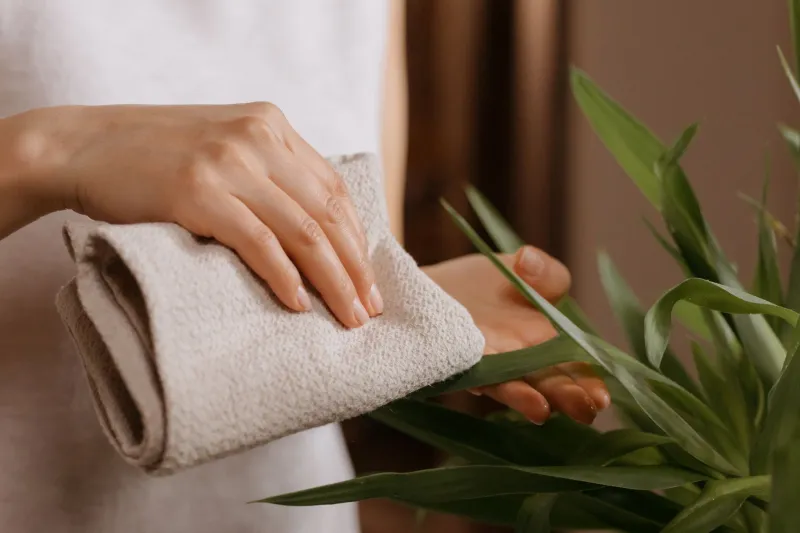
Light is filtered by the glass, and condensation can reduce it further. Clean the panes regularly with water and a soft cloth, avoiding harsh chemical cleaners near plants. A maximum-minimum thermometer is a modest but useful addition; it will reveal how warm the case becomes in a moment of winter sun and how cool it falls at night. The small daily swing is natural, but extremes are not.
Air and Condensation: The Necessary Exchange
A little condensation on the inside of the glass in the morning is normal. Persistent fog, however, is a warning. If the panes remain clouded through the day and the foliage feels wet, the air is too still and too saturated. Open the vents or the door for ten or fifteen minutes, preferably when the room is already warm, and allow the case to breathe.
In winter, this airing should be brief but regular. In summer, the case may need to be open for longer periods to prevent overheating. Do not seal every gap in pursuit of humidity; the exchange of air is what keeps mould and rot at bay. A small amount of movement is enough, and a gentle fan in the room, directed away from the case, can help without turning the display into a laboratory bench.
Planting and Mounting
A shallow layer of gravel at the base allows pots to sit clear of any surplus water. Small orchids can remain in their pots, set on the gravel so that the roots are not waterlogged, or they can be mounted on cork or branch sections for a more natural arrangement. Compost should be open and free-draining for most epiphytic orchids; sphagnum moss suits those that prefer a little more moisture, but it should never be packed tightly.
Resist the urge to fill the case. A few well-chosen plants, given room to show their leaves and spikes, will look more considered than a crowded collection. Group orchids with similar requirements, and leave space for air to move between them. Keep foliage dry when watering, and avoid wetting the crowns of plants in the evening.
Watering with Restraint
A glass case holds moisture, so watering is less frequent than on an open windowsill. Allow the compost to approach dryness before watering again, and empty any standing water from the base. Rainwater or filtered water is preferable in hard-water areas. In winter, a watering every ten days to a fortnight may be sufficient for many orchids; in summer, check more often, but always by feel rather than by calendar.
The Question of Rot
Soft brown patches, a sour smell or yellowing leaves suggest that the balance has slipped. Stagnant air, waterlogged compost and cool conditions are the usual culprits. Improve ventilation, reduce watering and remove affected tissue with clean tools. A case that is kept too warm and too wet will punish the grower quickly; one that is aired and observed will reward patience.
Styling the Case
A Wardian case need not look like a hospital tank. Choose a vessel with a quiet frame and place it where the glass can catch the light. A linen curtain, a stoneware tray and a single orchid in bloom can be enough. Moss, a small fern or a piece of weathered wood may add texture without clutter. The case should read as a botanical feature, not a piece of equipment, and it should belong in the room rather than merely sit on the sill.
Seasonal Adjustments
In winter, move the case away from direct radiator heat and open it briefly during the warmest part of the day. In summer, shade it from strong midday sun and watch for overheating. Autumn is a time to reduce watering as growth slows, while spring invites a gentle increase as new roots and leaves appear. The case is not a fixed system; it asks for observation, and it gives back a steadier, more intimate way of growing orchids at home.