The Threshold Room: A November Temperature Audit for Cool-Growing Cymbidiums

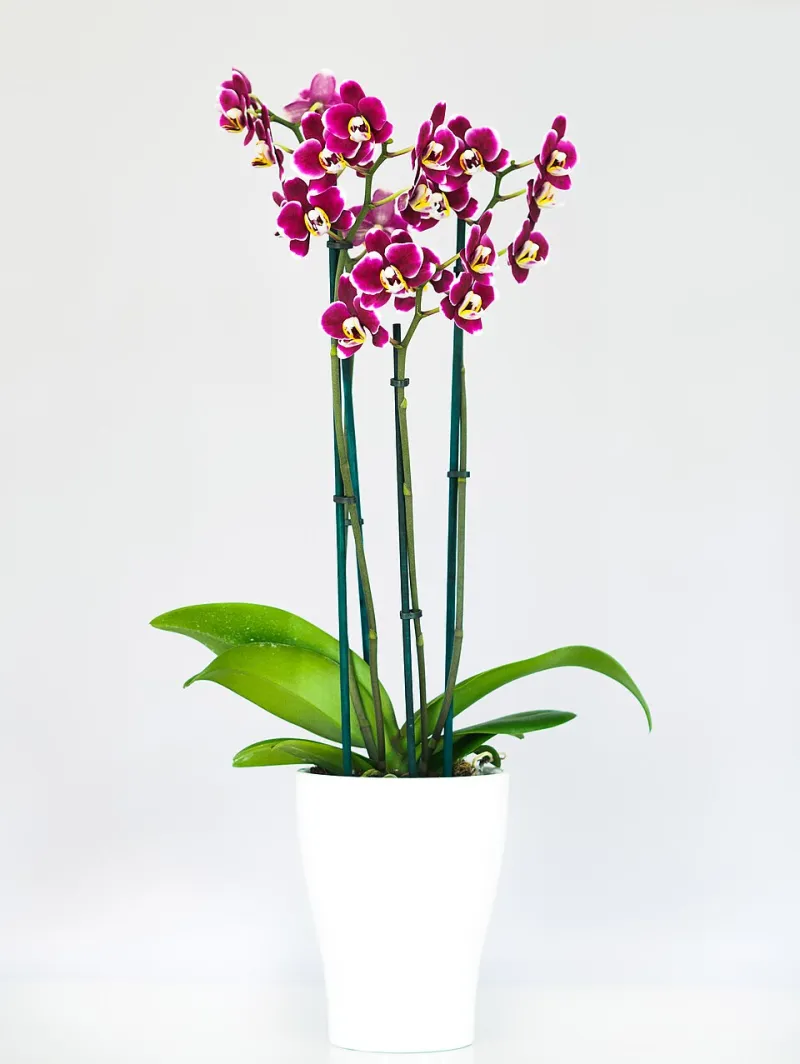
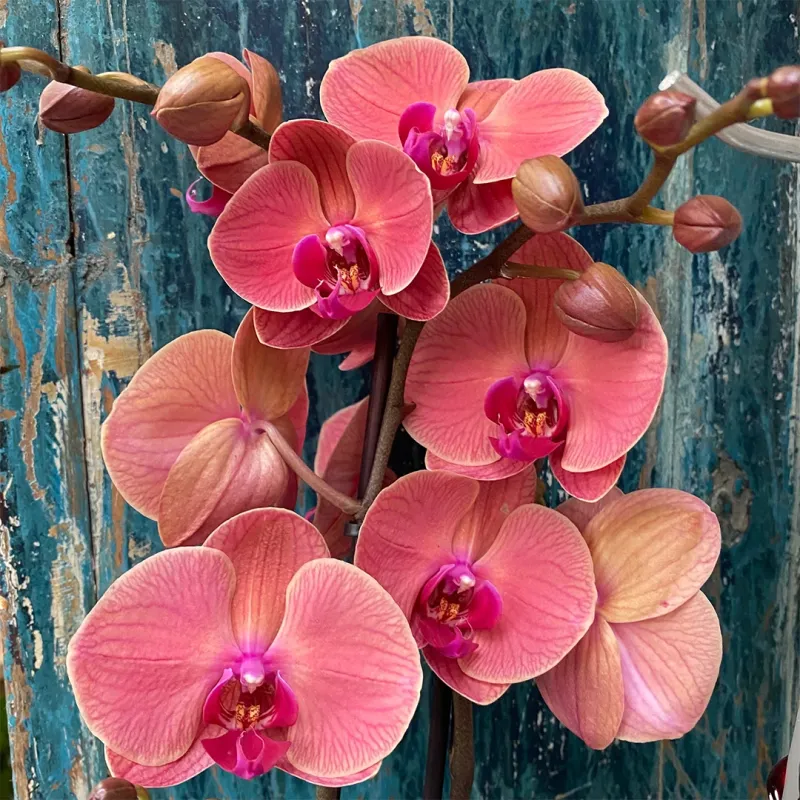
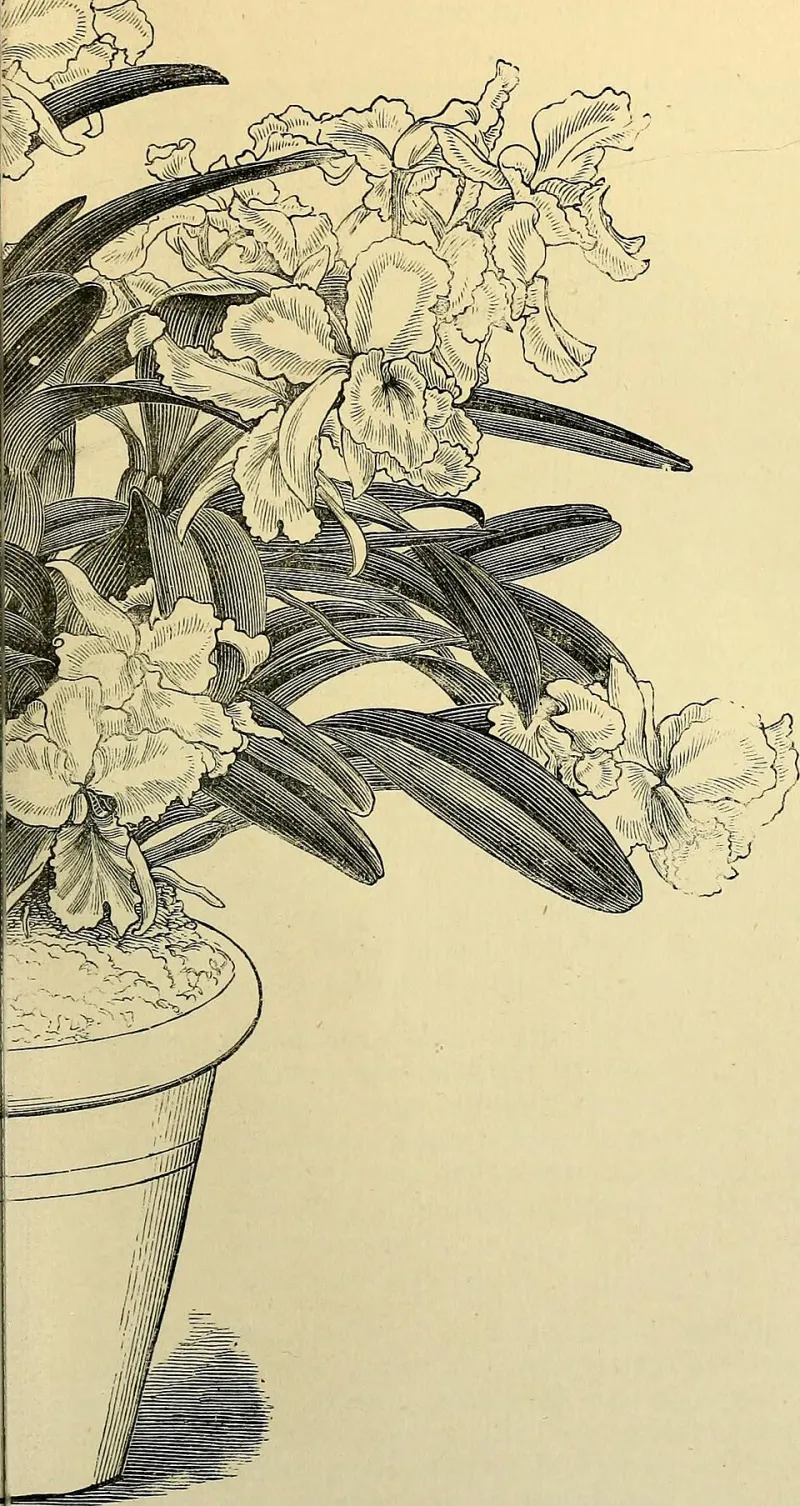
Photo: cool-growing cymbidium orchid in bright spare room November morning UK, via wallpapers.com
Cool-growing cymbidiums are often described as needing a winter chill, but the phrase can flatter a British spare room. What they require is not exposure but a controlled interval: nights cool enough to persuade the plant toward flower, days bright and buoyant, and neither draught nor radiator allowed to write the rules. In mid-November, with the light low and the heating beginning its seasonal negotiations, the task is to find a threshold where the chill is useful rather than harmful.
Begin with the room, not the plant
Before a cymbidium is moved, audit the space it will occupy. A spare bedroom, a frost-free porch or a conservatory corner may all serve, but each behaves differently after dark. The useful measurement is not the temperature on a hall thermostat or a phone forecast; it is the air temperature at foliage height, taken in the position the plant will actually occupy. A maximum-minimum thermometer left there for three nights will tell you more than a week of general weather reports.
Check the reading at dawn, before the heating comes on and before the sun reaches the glass. A spot that is bright and pleasant by day can become the coldest point in the house by four o’clock in the morning, particularly beside a single-glazed window or an external door. Equally, a conservatory that dips beautifully at night may rise sharply at midday, producing the kind of swing that unsettles buds. The aim is a room with a cool, steady night and a modest lift by day, not a dramatic cycle.
Judging the November night
Cool-growing cymbidiums generally respond to a pronounced night drop, often in the region of ten to thirteen degrees Celsius, with days several degrees warmer. The exact figure matters less than consistency. A plant that sits at a steady twelve degrees will usually fare better than one that alternates between eight degrees and twenty. In a British home, the greater risk is often not the absence of chill but its unevenness: a cold porch, a warm hall and a heated sitting room can all be within a few steps of one another.
Use the audit to identify a position with good daylight and some gentle air movement, but no direct gale. Keep the plant away from door swings, extractor fans and the plume of a radiator. If the room is heated only occasionally, note when that heating runs and how quickly the temperature climbs. Buds are more likely to suffer from a sudden warm, dry spell than from a cool night that remains within reason.
The measured move
Do not strip a cymbidium from a warm sitting room to a cold porch in one afternoon. Move it in stages over several days, allowing the plant to adjust to lower temperatures and changed air movement. A week of gradual transition is rarely wasted. If the plant is already carrying buds, handle the pot rather than the stem, and avoid turning it unnecessarily once the spike has begun to align itself.
In a spare room, place the pot where it receives bright, indirect light and where the leaves do not touch cold glass. In a porch, choose the most sheltered corner and check that the door does not open directly onto the plant. In a conservatory, avoid the corner that overheats by day and plunges after sunset. The best position is often slightly duller than a summer spot but far more stable.
Watering in a cooler rhythm
Cool air slows evaporation, and compost that stayed modestly damp in October may remain wet for longer than expected in November. Lift the pot to judge its weight, inspect the surface, and water in the morning so that excess moisture has the day to drain away. Use tepid water, allow it to run freely through the compost, and never leave the pot standing in a saucer of water. In a cool room, wet roots are far more dangerous than dry ones.
Feeding should also become more restrained. High-nitrogen feed encourages soft growth at the wrong moment; if you feed at all, use a low-strength balanced or high-potash feed at longer intervals, and stop once the buds begin to colour. The object is not to push the plant but to keep it steady through the interval before flowering.
Protecting buds from draught and heat spikes
Buds are the sensitive ledger of the whole operation. They dislike cold draughts, dry heat and abrupt changes. A radiator that clicks on at six in the morning can do more damage than a cool night, because the air around the plant becomes warm and dry while the compost remains cold and wet. Keep the plant out of the direct line of any heat source and away from external doors that are opened repeatedly.
A light screen near a draughty door can be useful, but avoid wrapping the plant in plastic or sealing it into a closed box. Air movement should be gentle, not stagnant. If the room is used for drying laundry or storing fruit, consider another position: both can alter the humidity and air quality around the plant in ways that are difficult to see.
A healthy chill and cold damage
A healthy chill is quiet. The leaves remain firm, the pseudobulbs stay plump, and the buds hold tight, perhaps developing a slight reddish or bronzed tone in bright cool light. Growth slows, but the plant does not look pinched or wet. Cold damage is different: glassy or water-soaked patches, blackening at the leaf edges, soft brown areas on the pseudobulbs, or buds that yellow and drop before opening. A plant that has been too cold may also show a collapsed, translucent look at the centre of the leaf fan.
If cold damage is suspected, move the plant to a brighter, frost-free room that is cool but not cold. Do not rush to heat it sharply, and do not water heavily in an attempt to revive it. Remove only tissue that is clearly dead, and allow the plant to stabilise before making any further changes.
A short November checklist
- Place a maximum-minimum thermometer at foliage height and read it at dawn.
- Move the plant in stages over several days, not in a single afternoon.
- Keep buds away from radiators, door draughts and extractor fans.
- Water in the morning, less often, and never leave the pot standing in water.
- Reduce feed and avoid high-nitrogen products.
- Inspect buds and pseudobulbs weekly for glassy patches, blackening or sudden drop.
The cool-room cymbidium is not a plant to be banished and forgotten. It is a plant to be placed with care, measured with patience, and watched through the quiet weeks before bloom. In a British November, that threshold is usually close at hand: a spare room, a sheltered porch, a conservatory corner. The work lies in judging it well.