What Holds the Root: Judging Peat-Free Orchid Compost by Hand and Nose

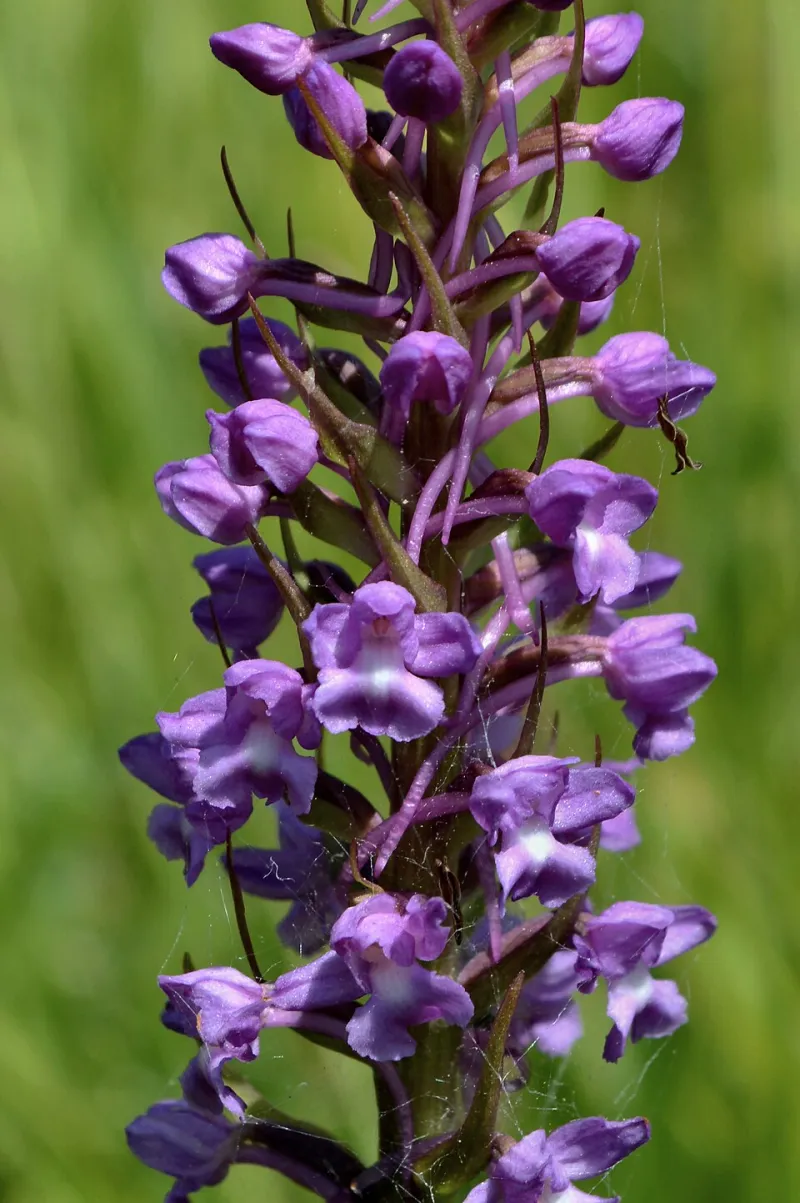
Photo: Genusfotografen (Tomas Gunnarsson) / Wikimedia, CC BY-SA 4.0, via Wikimedia Commons
For decades, the compost beneath an orchid was largely invisible: a dark, uniform medium that held moisture and asked little of the grower. That quiet consensus has gone. Peat-free mixes have moved from the margins to the main shelf, and with them has arrived a more interesting, more tactile relationship with what sits in the pot. The change is not merely ethical or environmental; it is horticultural. A peat-free orchid compost behaves differently in a British sitting room, and the grower who learns to read it will repot with far greater confidence than one who simply follows the old calendar.
Why the Medium Matters More Than It Used To
Orchid roots are not ordinary roots. They are adapted to air as much as to water, wrapped in a velamen that absorbs moisture quickly and then needs to dry. Peat-based mixes were forgiving of overwatering because they held a steady, slow-release reserve. Many peat-free mixes are more open, more variable and more responsive to the hand that waters them. That is not a drawback, but it does ask for attention. The compost is no longer a passive background; it becomes part of the conversation.
The practical consequence is that a peat-free orchid mix should be judged less by brand and more by structure. Two bags labelled identically may differ in chunk size, dust content and moisture level on opening. Learning to assess a mix by eye, hand and nose is the simplest skill a grower can acquire this season.
The Four Families of Peat-Free Orchid Compost
Most peat-free orchid mixes available in Britain draw on one or more of four materials: bark, coir, moss and wool. Each has a distinct character.
Bark remains the backbone of most orchid composts, peat-free or otherwise. Graded bark chips create the air pockets that epiphytic roots require. A good bark mix smells resinous and faintly forest-like, with a clean, woody note rather than a sour or mouldy one. The chips should feel firm between finger and thumb, not spongy or crumbling. Fine dust at the bottom of the bag is normal, but a mix that is predominantly dust will compact and suffocate roots.
Coir is the coir fibre and pith left after coconut processing. It is spongy, earthy and neutral in scent, and it holds water more evenly than bark alone. Coir is useful in mixes for plants that prefer a little more moisture, but it can become dense if pressed firmly at repotting. Treat it as a partner to bark rather than a replacement.
Moss — usually dried sphagnum — is stringy, pale and springy. It smells clean and faintly green, and it is best used as a top dressing or as a component in mixes for orchids that resent drying out completely. Moss that smells stagnant or feels slimy should be discarded.
Wool-based mixes are the newest arrival on many British shelves. Wool fibre is fibrous, slightly springy and carries a faint animal scent that fades as the mix settles. It holds moisture well and releases it slowly, which suits growers who tend to underwater. It is less suitable for cool rooms where compost stays wet for long periods.
Reading a Mix by Hand and Nose
Before tipping a new compost into a pot, open the bag and handle a handful. Squeeze it gently. A good orchid mix should feel open and slightly resistant, not compacted into a solid clump. It should fall apart readily when released. If it holds its shape like dough, it will hold water like dough too.
Smell is an underrated diagnostic. Fresh bark should smell of wood and resin. Coir should smell of clean earth. Moss should smell of a damp woodland floor, not of a stagnant pond. Any sour, ammonia-like or mouldy note suggests the material has been stored too wet or has begun to break down. Orchid roots are slow to forgive poor hygiene.
Finally, look at the grade. Fine mixes suit small pots and seedlings; coarser mixes suit mature Phalaenopsis, Cattleya and other epiphytes with thick roots. A mix that is too fine for the pot will settle and exclude air. A mix that is too coarse will dry too quickly in a warm room.
Watering Through a British Winter
Peat-free mixes change the winter watering rhythm. In a heated British home, the air is often dry and the compost surface dries quickly, but the centre of the pot may remain damp for longer than expected. The old habit of watering on a fixed day is particularly unwise with these materials. Instead, lift the pot. A well-grown orchid in a peat-free mix should feel light when it needs water and noticeably heavier after watering. The difference is easier to detect than with peat.
Bark-based mixes tend to dry more evenly from top to bottom. Coir and wool mixes can remain moist in the middle while the surface looks dry. A wooden skewer inserted into the centre of the pot and left for ten minutes will tell you more than the surface ever will. In winter, it is better to water thoroughly and less often than to give frequent, small sips. Roots that are allowed to dry briefly between waterings will remain firm and silver-tipped; roots kept constantly wet will darken and soften.
Repotting Without Sacrificing Root Health
When repotting into a peat-free mix, work with dryish compost and clean tools. Remove as much of the old medium as comes away easily, but do not tear healthy roots to achieve a pristine root ball. Trim only dead, hollow or mushy roots. Position the plant so that the base of the stem sits just above the compost line, then trickle the new mix around the roots, tapping the pot gently rather than pressing firmly. The aim is contact without compression.
Water lightly after repotting and keep the plant in gentle light for a fortnight. Avoid feeding for the first few weeks; fresh compost and disturbed roots need time to settle. A peat-free mix may look loose at first, but it will knit together with the first few waterings.
The shift away from peat is not a temporary fashion. It is a change in the material culture of orchid growing, and it rewards the grower who pays attention. Read the mix before you plant in it, adjust your watering to its habits, and the roots — firm, silvered and quietly working — will tell you whether you have chosen well.